We protect land and water for people and wildlife in New Mexico, forever
Our vision of the Middle Rio Grande Valley--urban and rural--is a landscape rich with vegetation and wildlife, water in the river and ditches, and thriving farms.The Rio Grande Agricultural Land Trust (RGALT) is pleased to announce we are applying for Land Trust Alliance accreditation renewal. The land trust accreditation program recognizes land conservation organizations that meet national quality standards for protecting important natural places and working lands forever.
RGALT Newsletter Archive →

2025 Newsletter and 2024 Annual Report

Conservation Easements
A conservation easement is a voluntary legal agreement between a landowner and a land trust or government agency that permanently limits uses of the land in order to protect its conservation values.
Check out our Conservation Easement Guidebook for more information.
Work With Us
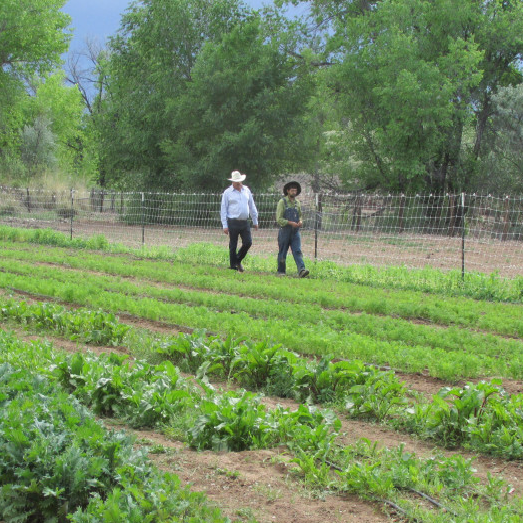
Are you a landowner interested in learning more about conservation easements and their benefits? We’d love to hear from you.
We also work with a number of partner organizations. Let us know if you’d like to collaborate.
STORIES FROM THE FIELD
Landowners’ Stories
RGALT is thrilled to share our 25th Anniversary Commemorative Video which features our conservation landowners sharing their stories and commitment to protect their land. Executive Director Cecilia Rosacker also shares her insight on the opportunities and challenges RGALT faces to achieve our mission of protecting land and water for people and wildlife in the middle Rio Grande.
The Common Thread:
People and The Rio Grande
Keeping water connected to the land is one key way of protecting our natural resources. Farmers and ranchers, grassroots organizations, and federal and state government agencies responsible for managing our natural resources recognize this urgent need in both urban and rural communities along the Rio Grande. Connected landscapes aren’t just about natural ecosystems; they’re about communities, economies, and future generations.
The Fragile Flyway
The Rio Grande corridor is a connecting thread for migratory birds along the Central Flyway, including Sandhill Cranes, Northern Pintails, White-faced Ibis, and many other species. Today, over 60% of the remaining wetland habitat in the Intermountain West is comprised of flood-irrigated agricultural lands on working farms and ranches. As wetland habitat becomes increasingly scarce, the conservation of irrigated agricultural lands is more critical than ever to ensure the survival of migratory birds and the health of the broader ecosystem.